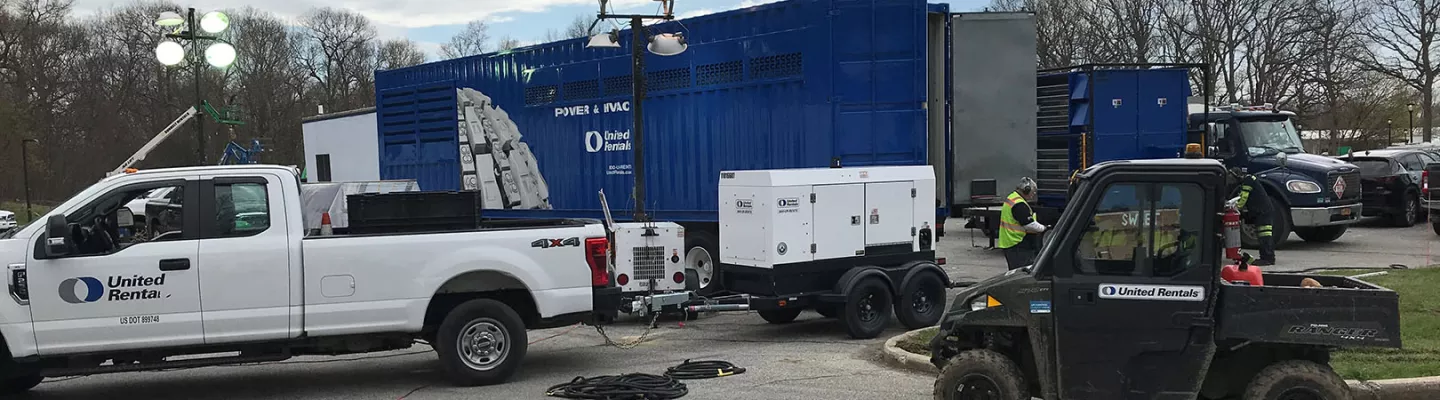
Protect crews on every jobsite with these portable generator safety tips about the most common generator hazards: carbon monoxide poisoning, electrocution and fire.
Article Updated on: July 24, 2026
Portable generators deliver power when you are far from an outlet or the power goes out. But generator hazards are real. Each year approximately 85 people in the U.S. die from generator-related carbon monoxide poisoning, according to the Consumer Product Safety Commission. Practice portable generator safety to protect your crew and worksite with these generator safety tips.
Are generators safe?
Portable generators are safe when operators follow the manufacturer’s instructions. Most run without incident, but each year 2,800 people on average develop carbon monoxide poisoning from generators. In most cases, deaths result from placing a generator inside a living area, basement, garage, shed or other enclosed or partially enclosed space.
What are the main generator hazards?
No matter what type of portable generator you’re using, the main hazards are the same: carbon monoxide poisoning, electrocution and fire. Diesel generator safety, propane generator safety and gas generator safety, therefore, involve the same precautions:
- Carbon monoxide (CO) poisoning: A colorless, odorless gas produced by incomplete fuel combustion
- Electrocution: Often caused by wet equipment, damaged cords or improper connections to a home’s electrical panel
- Fire: Caused by improper fueling, fuel storage or placement near flammable material
How to mitigate each generator hazard
To avoid carbon monoxide poisoning, electrocution and fires when using portable generators, follow these safety tips.
Generator carbon monoxide safety
- Read the instruction manual and follow it
- Place your generator outdoors in a well-ventilated area - never inside the home or in a basement, garage or shed, even with the windows or the garage door open
- Position the generator at least 20 feet away from windows, doors and vents, and point the exhaust away from them
- Install carbon monoxide detectors and test them regularly
- Choose a generator with a built-in carbon monoxide detector; these units turn off if dangerous CO levels are detected
Generator electrocution safety
- Don’t operate a generator in the rain or on a wet surface
- Buy a generator canopy that protects the generator from rain while allowing sufficient ventilation
- Cover the generator when it’s not in use
- Never plug a generator into a regular wall outlet
- To connect the generator to an electrical panel, install a generator safety switch or plug appliances and electronics directly into the generator
- Use only heavy-duty extension cords rated for outdoor use and the amps or watts the appliances use, and check cords for damage before use
- Don’t use a portable generator that has a damaged frame; the frame grounds the unit and is an important safety feature
Generator fire safety
- Never refuel a generator while it’s running; turn it off and let it cool for at least 10 minutes before adding more fuel
- Store fuel away from the generator; if there’s a fuel spill, move the generator to a new location
- Store fuel only in approved containers and follow all local laws regarding fuel storage
- Never store fuel in your home
- Use only the fuel recommended on the generator label and in the owner’s manual
- Keep the generator away from dry grass or other flammable material
What do OSHA standards say about generator use?
OSHA does not issue a single standalone generator standard, but several existing regulations apply directly to portable generator use on jobsites:
Hazard Area | OSHA Reference | What It Requires |
|---|---|---|
Carbon monoxide exposure | 29 CFR 1910.1000 (Air Contaminants) | Limits worker exposure to CO in enclosed workspaces |
Electrical safety | 29 CFR 1910.303-.335 (Electrical Standards) | Governs grounding, wiring and safe equipment use |
Fire prevention | 29 CFR 1910.106 (Flammable Liquids) | Regulates fuel storage and handling near ignition sources |
Portable equipment | 29 CFR 1926.404 (Construction, Wiring Design & Protection) | Applies to temporary power sources on jobsites |
Operators should consult a safety professional to confirm which standards apply to a specific site and situation. For hands-on guidance, United Academy offers safety training courses that cover portable power equipment.
How to make a generator safe for electronics
Generators can produce electrical surges that may damage electronic devices such as phones and computers. Using an inverter generator may help protect your electronics since they deliver a more consistent power supply. If you’re using a standard, non-inverter generator, plug a surge protector into the generator before powering delicate devices.
Generators can be a convenience or a critical asset when you lack access to grid power. They can be complex and operators should always consult with an expert regarding the specific circumstances, applicable rules and regulations related to their site and situation.
Like any piece of equipment, generators require operator knowledge. Understanding generator hazards and following these precautions can help teams run a generator safely, whether powering lights and appliances at home, electronics on a camping trip or power tools on a jobsite.
 Facebook
 X
 Linkedin
 Email
 Print
 Copy Link
 RSS Feed